
Valve has released Proton 11.0-1, the new stable version of its Steam Play compatibility layer for Linux. For Steam Deck and other SteamOS users, the update matters because it moves a batch of games out of Proton Experimental and into the regular stable branch, while also fixing a long list of compatibility problems across launchers, controllers, VR and video playback.
The release is built on Wine 11.0 and includes updated graphics and translation components, including DXVK and vkd3d-proton. In practical terms, that means Valve is continuing to widen the set of Windows games that can run through Steam on Linux without users having to manually opt into experimental builds for specific titles.
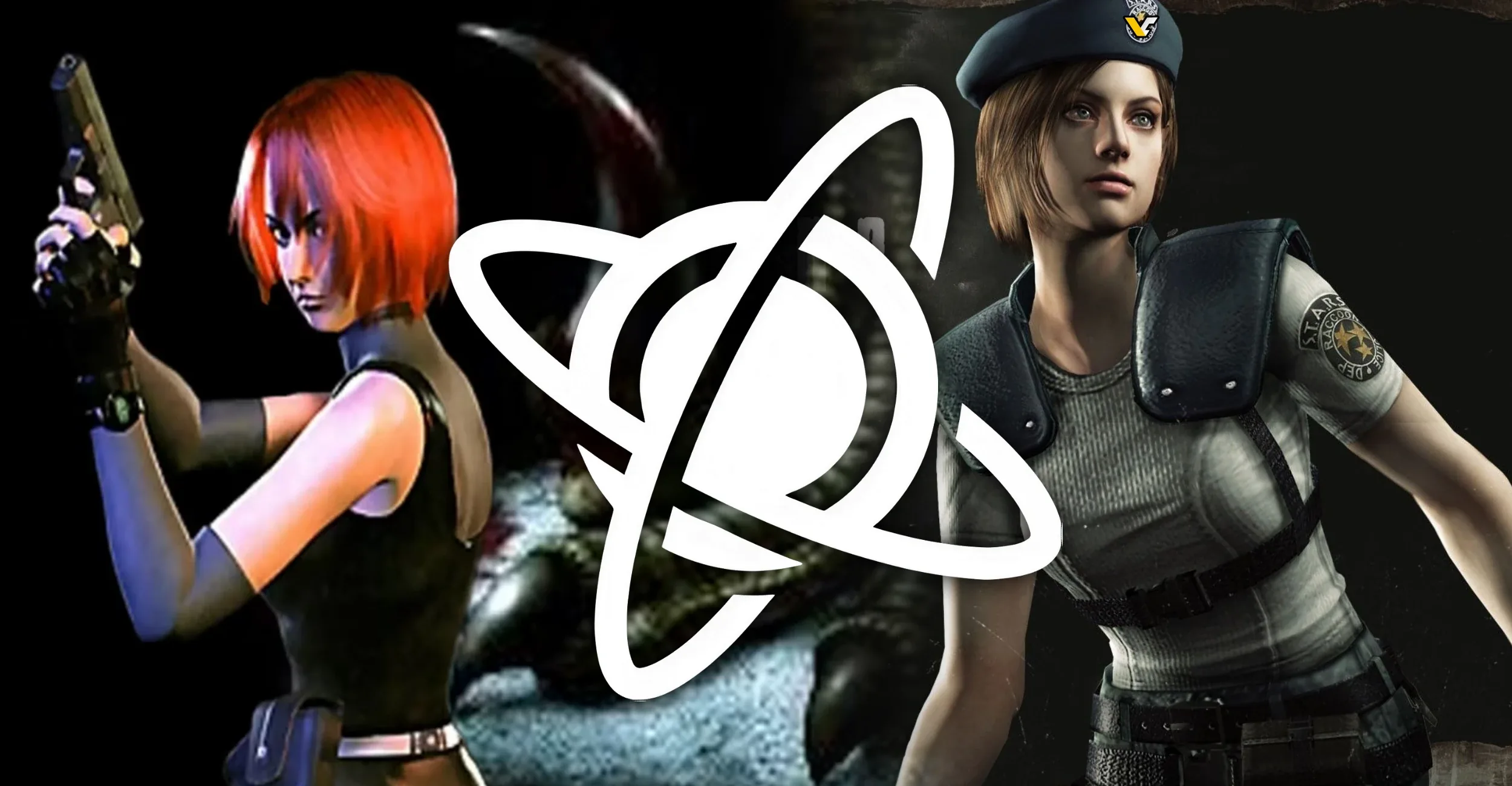
Proton 11.0-1 moves several classic Resident Evil and Dino Crisis games to stable
The most visible change for players is the expanded list of games that now run on the stable Proton branch. Valve says titles that previously needed Proton Experimental are now playable in stable, including Resident Evil (1996), Resident Evil 2 (1998), Dino Crisis, Dino Crisis 2, DCS World Steam Edition, Universe Generator: The Golden Sword, From Dust, Blaite, METAL GEAR SURVIVE, Warhammer: Vermintide 2, Metal Fatigue and SHOGUN: Total War.
That is a meaningful shift for Steam Deck owners and Linux desktop players who prefer to stay on the stable compatibility layer. If a game only worked after switching to Proton Experimental before, it may now launch from the default branch instead. That reduces the amount of manual testing users need to do when deciding which Proton version to assign to a game in Steam.
Unknown Faces, Gothic 1 Classic and X-Plane 12 join the newly playable list
Valve also added a second group of games to the playable list in Proton 11.0-1. These include Unknown Faces, Gothic 1 Classic, X-Plane 12, Breath of Fire IV and Deadly Premonition.
For players, the important detail is not just that these games are now supported, but that they are supported on the stable branch. Proton Experimental is still useful for edge cases and fresh fixes, but stable support is easier to manage for users who want fewer moving parts on a Steam Deck or a Linux gaming PC.
Valve’s ongoing work here also shows how Proton updates are not only about new releases. A lot of the value comes from older games and niche software becoming easier to run without special handling. That is especially relevant for PC gamers with large back catalogs who want to keep their library working after system updates.
Controller, launcher and Steam Deck fixes land across a wide range of games
Beyond new playable titles, Proton 11.0-1 includes a long list of fixes for games that were already running. Some of the more notable changes affect common pain points rather than one-off launch failures.
- Phasmophobia gets a fix for lobby voice chat on desktop systems and added System Voice support for multiple languages.
- Sea of Solitude no longer shows a black screen on Proton.
- Crimson Desert has fixed intro video playback.
- Call of Duty 2 gets a mouse movement fix.
- Death Stranding 2 has a launcher rendering fix.
- Helldivers 2 gets a crash fix for high enemy-count missions.
Valve also addressed controller hotplug behavior for the 8BitDo Ultimate 2C and other controllers that expose multiple HID devices. That matters for handheld and living-room setups, where users may swap controllers or dock and undock devices more often than on a traditional desktop.
Steam Deck-specific behavior also got attention. Valve fixed an issue where Hollow Knight could incorrectly register the Steam button as a left trigger after a game update. That kind of bug is small on paper, but it can make a game feel broken until the compatibility layer is updated.
Wine 11.0, DXVK 2.7.1 and vkd3d updates change the Proton stack
Under the hood, Proton 11.0-1 updates the software stack that translates Windows game calls into Linux-friendly behavior. The release uses Wine 11.0, Xalia 0.4.9, vkd3d 1.19-139-g30b93dcea8b0, DXVK 2.7.1-467-g83e503b4ae6d, dxvk-nvapi 0.9.1, Wine Mono 11.0.0 and vkd3d-proton 20260410.
For most players, those version numbers are less important than the effect they have: better DirectX translation, fewer launcher problems, improved video playback and fewer crashes in games that already had partial support. Valve also notes fixes for KDE window maximization, Brighter Shores window resizing, Space Engineers dual-monitor support, Titanfall 2 keyboard-input stutter, No Man’s Sky VR mode, Microsoft Flight Simulator VR controller tracking and several other edge cases.
There are still limits to what Proton can solve. Valve continues to rely on game-specific fixes and on developers enabling Linux support where anti-cheat or other online systems block compatibility. For players, the main takeaway is simple: if a game was unstable on Proton Experimental or needed a manual workaround, it is worth checking whether Proton 11.0-1 now handles it better on the stable branch.
Marvel Rivals shows how those game-specific Proton fixes can still matter. After a newer Proton build caused startup problems, Valve moved the game back to Proton Hotfix by default on SteamOS and Linux.
Sources: Valve Proton release notes; additional reporting: VideoCardz