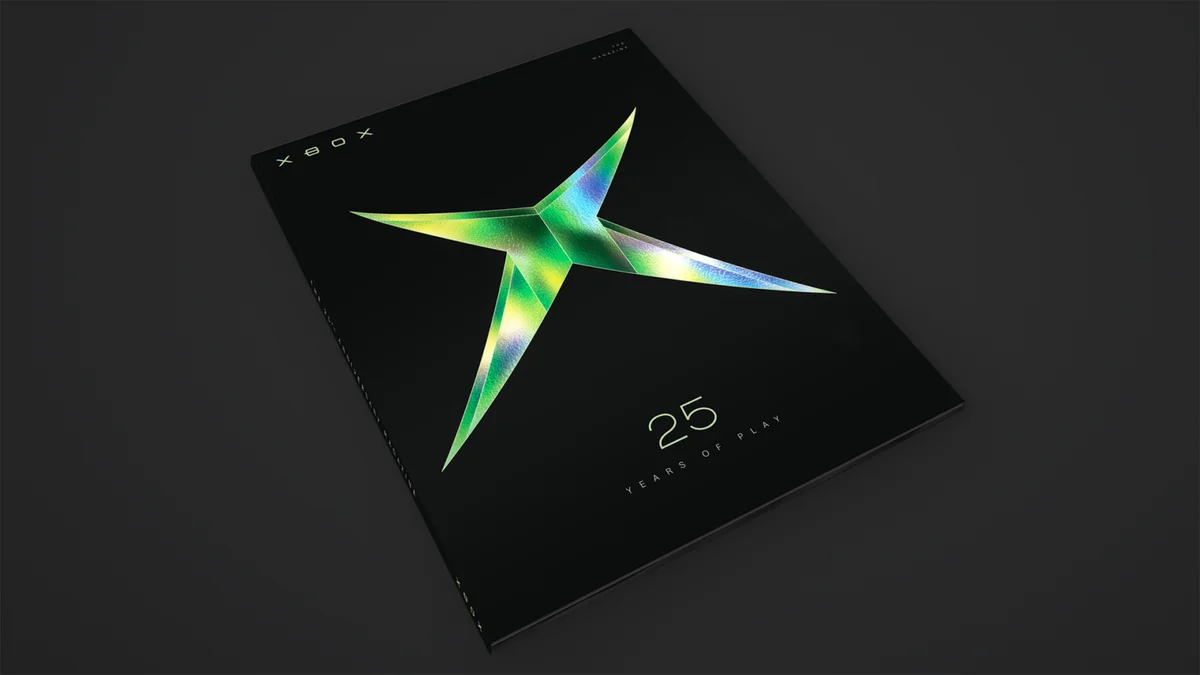
Microsoft’s next Xbox will run games from your PC, but Microsoft does not want anyone calling it a PC. “It is not a PC that can also play console games,” Jason Ronald, Xbox vice president of next generation, says in Xbox’s 25th anniversary magazine, which went online on 15 November after printed copies were handed out at XBOX FanFest in Seattle.
Ronald leads Project Helix. In the interview, transcribed by VGC, he describes a machine where the console side sets the rules: no operating system or driver updates to babysit, an interface built around games, and four generations of Xbox libraries and progress carried over from the original Xbox onward. PC games sit on top of that.
Steam is still the missing answer
Microsoft has promised “PC games” since it revealed Helix in March. It has never said which stores. The ROG Xbox Ally handheld already shows one possible answer: it runs Windows with an Xbox front end, and Steam and Epic install on it as they would on any PC. Whether Helix keeps that door open, or limits PC games to the Xbox app and Microsoft Store, decides whether it can replace a gaming PC under the TV. Ronald did not address it.
Expensive memory, cheaper frames
Ronald also admitted this is a hard time to design console hardware. Memory prices are the obvious pressure: in mid-November a US federal judge let a DRAM price-fixing lawsuit against Micron, Samsung and SK hynix go forward, saying the collusion claims were plausible. The three companies make most of the world’s DRAM, and none has been found liable.
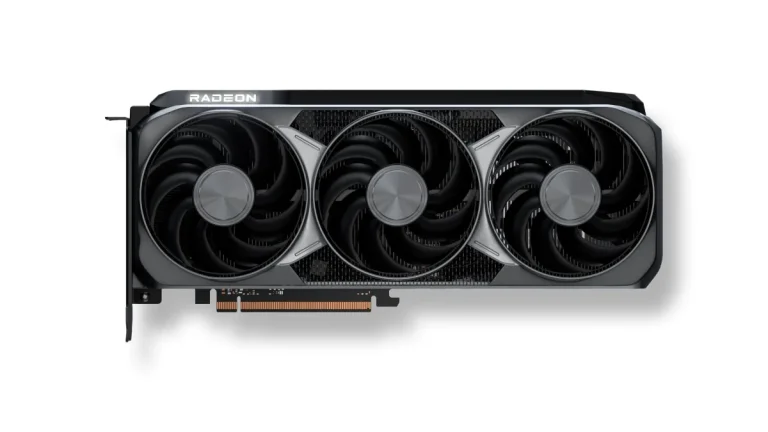
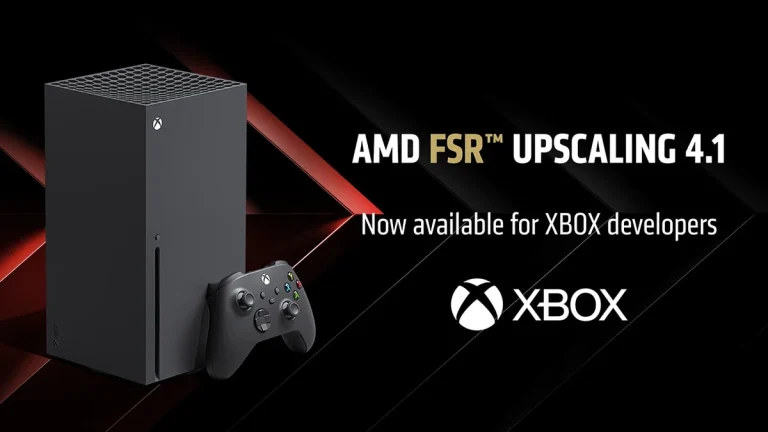
His answer is neural rendering, “an entirely new way to generate a frame without requiring more computational horsepower.” At GDC in March, Microsoft tied Helix to a custom AMD chip, AMD’s FSR Next and neural techniques that go beyond upscaling, such as neural materials and generated images. DLSS and FSR already swap some native rendering for machine-learning reconstruction on PC, and the catch is familiar: generated frames look smoother but do not lower input latency, and the result depends on how well each game uses them. A console gives Microsoft one fixed target to tune that for, which the PC market never does.
Developers get the first alpha Helix hardware in 2027, under the timeline Microsoft gave in March. Price, release date and specifications have not been announced, and Microsoft’s earlier hint that Helix will be a family of devices rather than a single console is still the only clue about how many models there will be.