
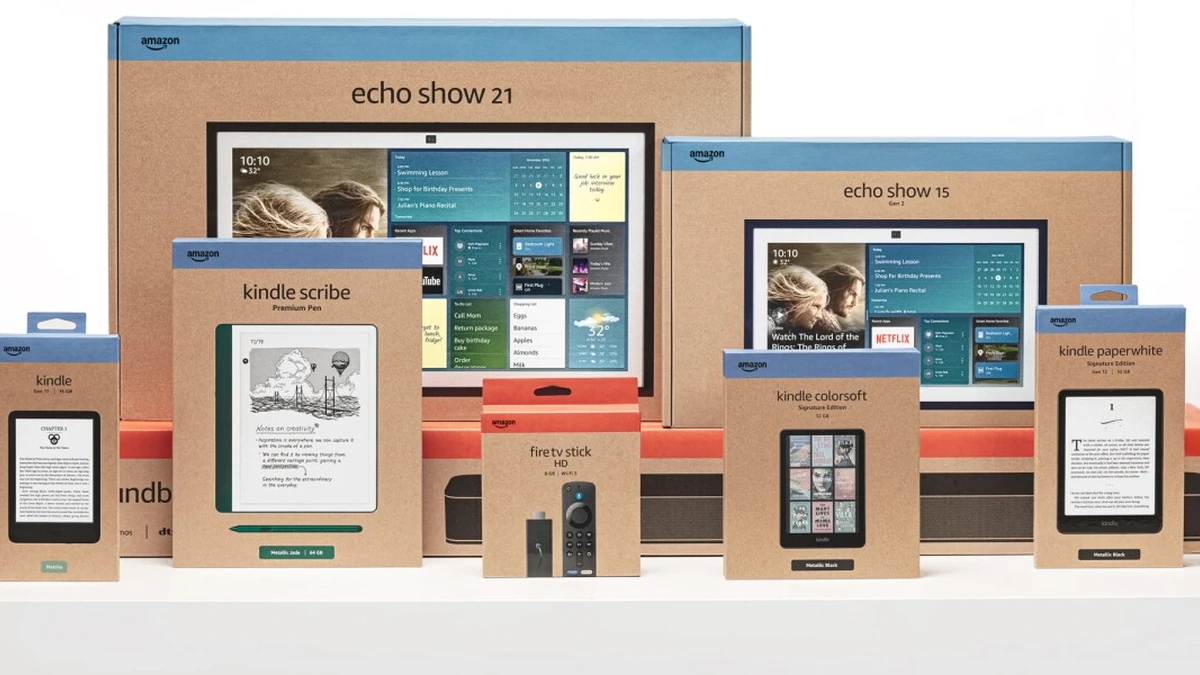
Amazon has raised US prices across parts of its Echo, Kindle, Fire TV and eero lineups, with some of the biggest increases landing on products that used to sit near the entry level. The Echo Dot moved from $49.99 to $79.99, while the 16GB Kindle rose from $109.99 to $149.99. Amazon says the changes follow “significant increases” in memory and storage component costs after the company absorbed those increases for as long as it could.
The headline number is 60%, but that does not apply across the board. The size of the increase varies sharply by device, and Amazon says promotions will still run throughout the year. The changes reported so far are US list prices, not a confirmed worldwide price reset.
The Echo Dot saw the largest percentage increase
Fortune first documented the new pricing across Amazon’s hardware lines and obtained confirmation from the company. The base Echo Dot took the steepest percentage increase in the group we checked, rising by $30 to $79.99.
| Device | Previous US price | New US price | Increase |
|---|---|---|---|
| Echo Dot | $49.99 | $79.99 | 60.0% |
| Kindle 16GB | $109.99 | $149.99 | 36.4% |
| Kindle Paperwhite 16GB | $159.99 | $199.99 | 25.0% |
| Fire TV Stick HD | $34.99 | $39.99 | 14.3% |
| Fire TV Stick 4K Max | $59.99 | $84.99 | 41.7% |
| Echo Show 11 | $219.99 | $249.99 | 13.6% |
| eero 7 three-pack | $349.99 | $399.99 | 14.3% |
| eero Pro 7 three-pack | $699.99 | $799.99 | 14.3% |
The pattern is not simply “more expensive device, bigger increase.” The $49.99 Echo Dot gained 60%, while the $699.99 eero Pro 7 three-pack increased by about 14.3%. The Fire TV Stick 4K Max sits in between: its $25 increase works out to roughly 41.7%. Fortune also reported that Amazon did not raise prices on its Ring products in the same change.
Amazon points to memory and storage component costs
An Amazon spokesperson told Fortune that the consumer electronics industry is facing significant increases in memory and storage component costs. The company said it had absorbed those costs for as long as it could before adjusting prices across product lines.
That explanation is narrower than saying AI directly made an Echo Dot $30 more expensive. Amazon did not attribute each product increase to a specific chip, supplier or AI workload, and it did not publish a component-level cost breakdown. The broader memory market is under sustained pressure at the same time Amazon is passing higher hardware costs to buyers.
The memory squeeze is spreading beyond PC parts
TrendForce expects conventional DRAM contract prices to rise another 13% to 18% quarter over quarter in the third quarter of 2026, with NAND Flash contract prices up 10% to 15%. The research firm says suppliers continue to shift capacity toward server and higher-value products while AI infrastructure keeps demand for server memory and enterprise storage strong.
That pressure has already been visible in the PC market. In our August check of DDR5 pricing across 10 European markets, the same 32GB kit was as much as 50.8% more expensive at one retailer than another. Our earlier look at NAND and SSD pricing also found enterprise storage demand and constrained supply keeping pricing elevated.
Amazon’s changes matter because they show the same component-cost pressure reaching a different part of the market. Echo speakers, Kindles and Fire TV sticks are mainstream consumer devices, not enthusiast PC upgrades. When higher memory and storage costs start changing their regular prices too, the squeeze is no longer confined to components sold directly to PC builders.
The 60% figure comes from US pricing
The 60% headline figure and the dollar comparisons above come from Amazon’s US pricing. Separate reporting now shows price increases in Italy too, but the local prices and percentage changes differ. The US figures therefore should not be treated as a single global price schedule.
Amazon also says it will continue to run promotions across its device lineup. That means a Kindle or Fire TV device can still sell below its new regular price during a promotion. For buyers, the useful comparison is between the old and new US list prices rather than assuming every checkout will now land on the higher figure.
Sources: Fortune — original reporting and Amazon statement, TrendForce — Q3 2026 memory pricing outlook, Tom’s Hardware Italy — Italian device price changes.