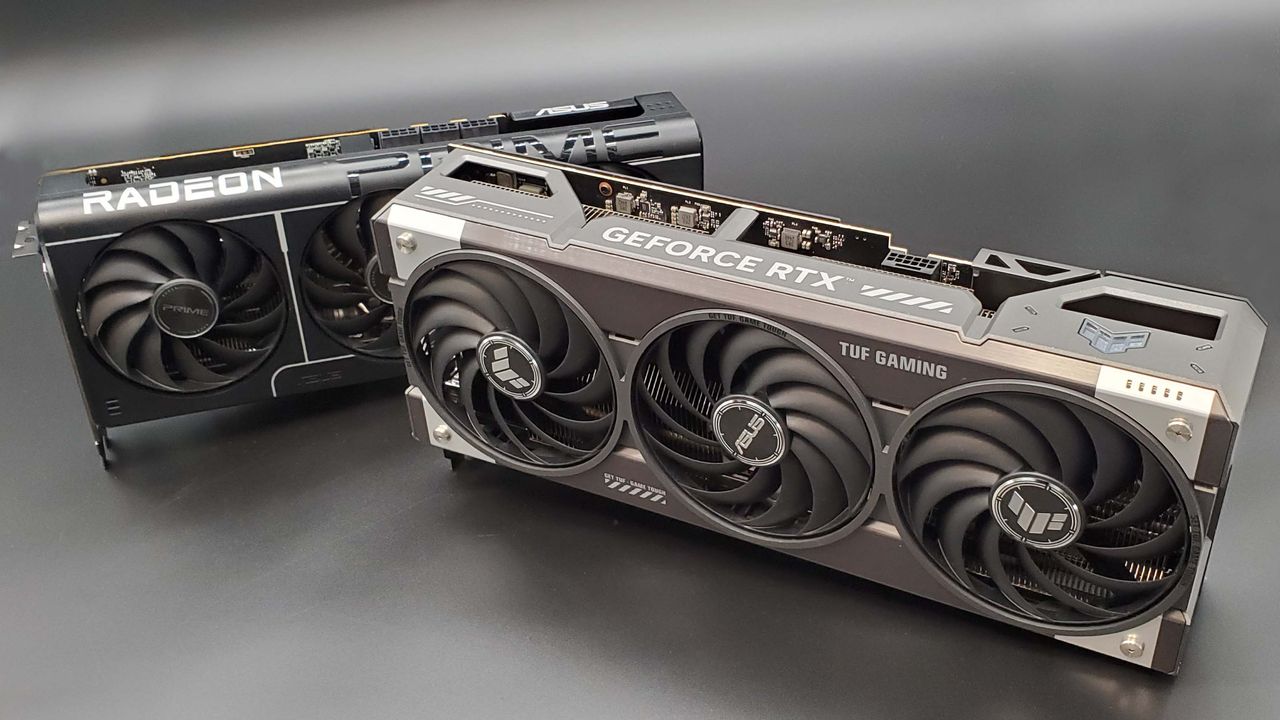
A new cost breakdown circulating in the hardware world suggests some graphics cards may be heading for another round of price pressure. The discussion centers on the Radeon RX 9070 XT, but the underlying factors are broader: tight memory supply, rising wafer costs, shipping and import expenses, and the usual overheads that vendors have to recover before making a profit.
What the report says
The analysis, shared by Igor’s Lab, argues that the current retail price of certain GPUs is still not fully reflecting their true production and distribution costs. The RX 9070 XT is used as the main example for the European market, but the same forces apply across modern graphics cards in general.
The biggest issue is memory supply. GDDR6 and GDDR7 modules are made by the same companies supplying HBM for AI data centers, and demand from AI has pushed the market into a tighter state. That affects AMD, Intel, and Nvidia cards alike.
Why the higher-end cards feel it most
High-end GPUs are the most exposed to these cost increases because they use more expensive components, especially VRAM. That means flagship and near-flagship cards take a bigger hit when memory and wafer costs rise.
The breakdown highlights how many layers sit between manufacturing and the final retail price:
- GPU and memory chip production
- Other board components and materials
- Assembly and packaging
- Shipping, freight, and distribution
- Import duties, taxes, and insurance
- R&D, marketing, warranty, and financing costs
- Vendor profit margins
On top of that, TSMC has raised wafer prices, and vendors are paying more for the chips that sit at the heart of these cards.
What it means for PC buyers
For buyers, the practical impact is that current prices may not be the end of the story. The report suggests some cards could still rise as older inventory sells through and is replaced with fresh stock priced under tougher conditions.
The RX 9070 and RX 9070 XT are currently described as relatively close to their launch pricing in the US compared with some Nvidia models, but that may not last. The RTX 5070 Ti, RTX 5080, and RTX 5090 are already well above their MSRPs, and the broader cost environment does not look like it will ease soon.
What remains unclear
The main uncertainty is timing. The report points to a delayed price surge rather than an immediate one, which means retail shelves may not change overnight. But with memory supply still tight and AI demand showing no sign of slowing, the direction is clear enough.
For now, buyers shopping for a new GPU may want to treat today’s pricing as temporary rather than guaranteed.
Source
Source: PC Gamer Hardware