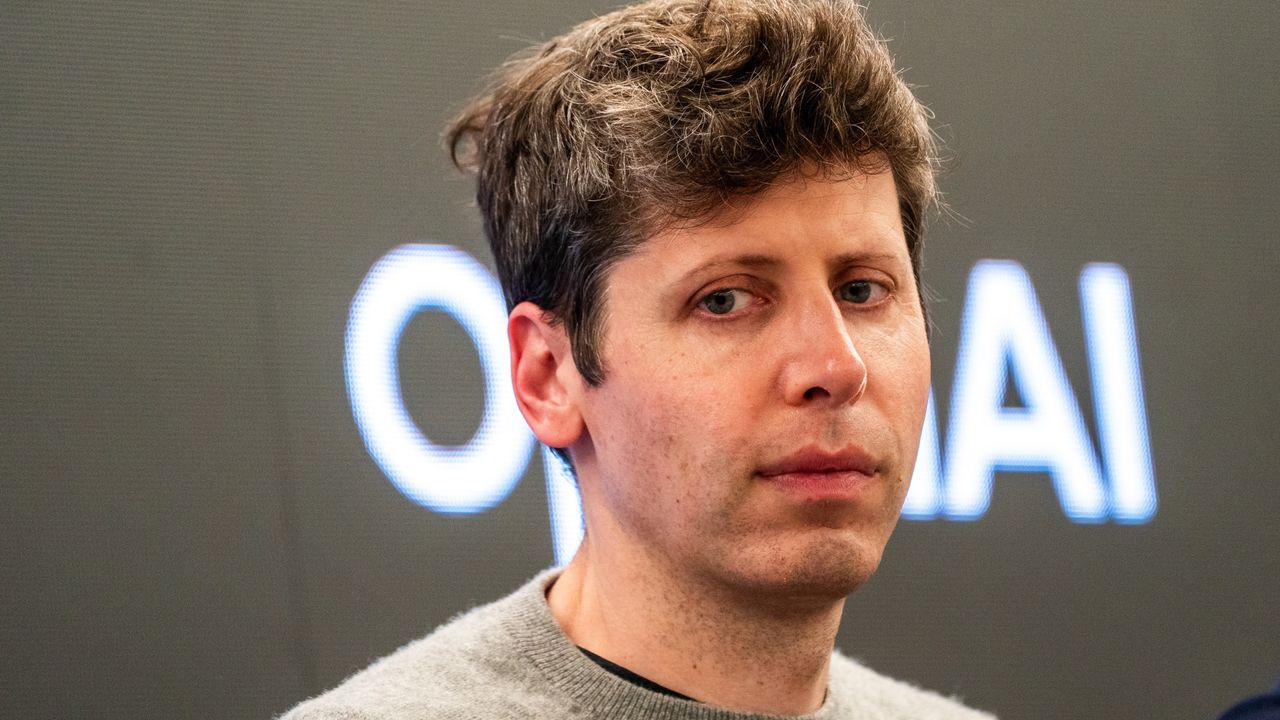
OpenAI Sam Altman AI is back in the conversation after the company’s CEO suggested that the wave of job losses some people expected from generative AI has not arrived as quickly, or as broadly, as feared. Even so, the wider picture for workers remains uneasy, with several large firms already cutting staff while talking up AI as part of their future plans.
Altman says the “jobs apocalypse” has not materialized
Speaking at a Commonwealth Bank of Australia conference, via Reuters, Sam Altman said he had expected to see a bigger impact on entry-level white-collar roles by now. His comments point to a gap between the most pessimistic predictions around AI-driven layoffs and what has actually shown up so far.
That does not mean the concern has gone away. Altman’s view sits against a backdrop of repeated announcements from major companies that are trimming headcount while positioning AI as a productivity tool or a replacement for some existing work.
Recent cuts keep the pressure on
In recent weeks, several high-profile employers have made moves that fuel fears about how quickly AI could reshape office jobs. The examples that have been circulating include:
- Intuit cutting 3,000 staff
- Meta laying off more than double that number
- Standard Chartered planning to replace almost 8,000 “lower-value human capital” roles with AI
- HSBC warning employees not to resist the change, saying generative AI will destroy some jobs and create others
The size of each cut varies depending on the company, but in some cases the reductions amount to as much as 17% of the workforce. That is a meaningful level of disruption, even before broader industry changes are counted in.
Why the debate is still unsettled
OpenAI has published research on AI’s likely impact on the labor market, and the company’s own earlier forecasts appear to have been more aggressive than what Altman is describing now. That leaves a familiar problem for anyone trying to understand the real trend: the people building and deploying the technology are also the ones helping shape the narrative around it.
Technology shifts have always changed employment patterns, and the article’s comparison to industrial automation is a useful reminder. Robotics improved manufacturing efficiency for tasks such as welding, painting, installation, and inspection, but those gains also reduced the need for some workers.
What readers should take from this
Altman’s comments do not erase the reality of current layoffs, and they do not prove that AI is harmless in the job market. What they do show is that the scale and timing of disruption are still being argued over, even among people closest to the technology.
For now, the safest reading is simple: AI may not yet have triggered the “jobs apocalypse” some have warned about, but companies are already reshaping roles around it, and the impact is still developing.
Source
Source: PC Gamer Hardware