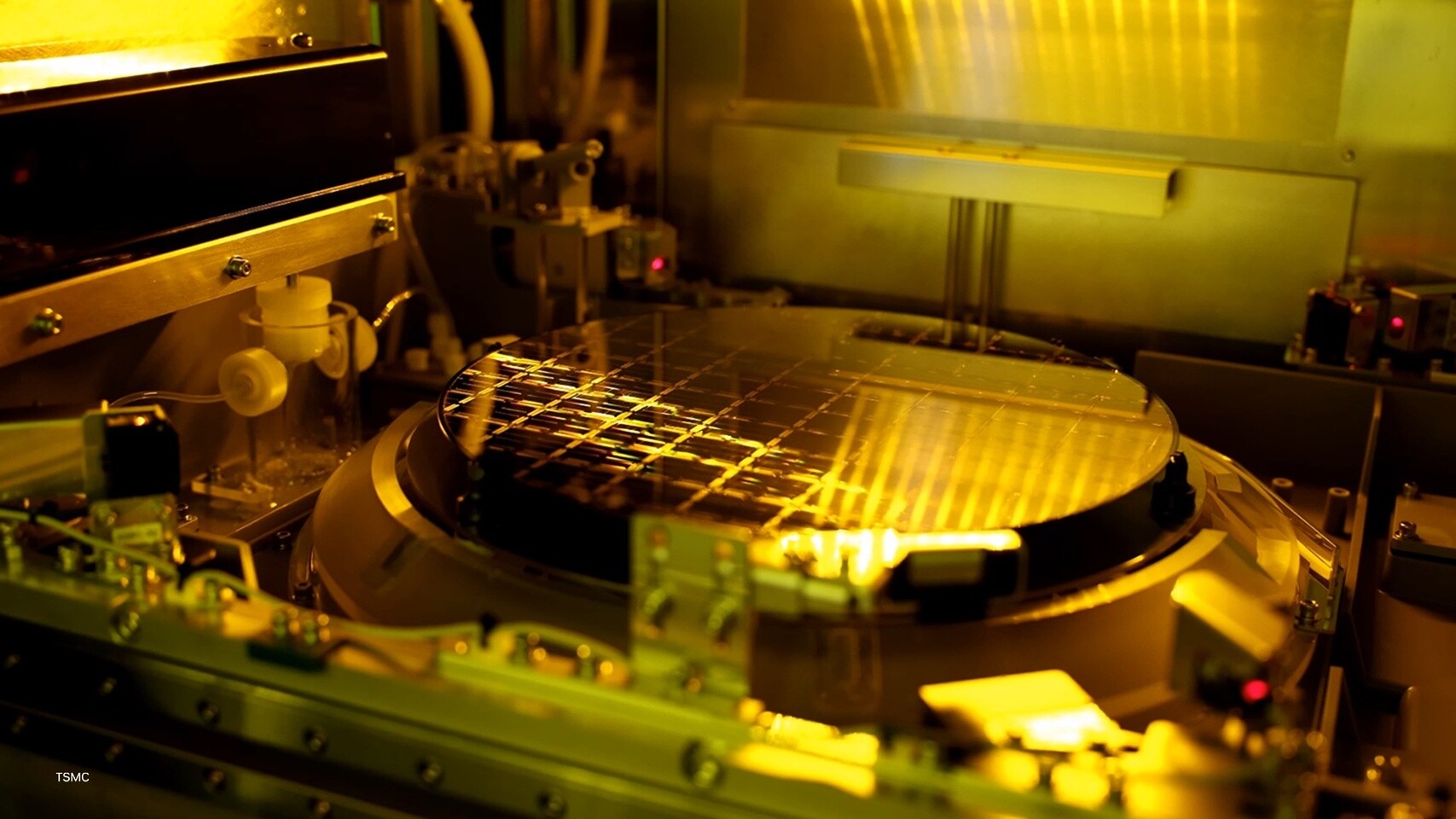
NVIDIA TSMC Use AI is now more than a slogan: TSMC is bringing NVIDIA’s accelerated computing and AI tools deeper into chip design and fab operations as semiconductor manufacturing gets more complex at advanced nodes. The goal is to speed up simulation, improve inspection, and make production planning more efficient without waiting for physical trials to reveal problems.
AI Moves Closer to the Fab Floor
NVIDIA says TSMC is applying its technologies across the semiconductor design and manufacturing pipeline, from chip-transfer workflows and transistor modeling to process control and wafer inspection. The idea is to use accelerated computing for the workloads that are too large and too time-sensitive for traditional approaches.
As chips shrink and manufacturing steps become more demanding, tasks like computational lithography and defect detection need a lot of compute and rapid feedback. That is where TSMC is leaning on NVIDIA GPUs, CUDA-X libraries and AI models.
What TSMC Is Using
TSMC is working with several NVIDIA tools across different parts of the fab and design process:
- CUDA-X libraries and AI models to accelerate heavy simulation and production workloads on NVIDIA GPUs
- NVIDIA H200 GPUs to improve planning and productivity around complex fab constraints
- NVIDIA Metropolis and NVIDIA TAO Toolkit for defect classification and vision AI inspection
- NVIDIA Omniverse libraries for building a digital fab environment called FabTwin
One of the clearest use cases is inspection. TSMC is using vision AI to improve defect detection at nanometer scale, while also reducing how often systems need to be relabeled and retrained when process conditions or inspection tools change.
Digital Twins for Smarter Planning
TSMC is also exploring NVIDIA Omniverse libraries to create FabTwin, a virtual fab environment for testing tool layouts and simulation workflows before anything is built on the production floor.
That kind of digital-first planning can make it easier to compare complex configurations, spot bottlenecks sooner, and avoid costly surprises before any physical commitment is made.
A Long Partnership, Now Focused on AI
NVIDIA and TSMC have worked together for nearly three decades, and this latest effort extends that relationship into AI-driven manufacturing. Jensen Huang said NVIDIA AI and accelerated computing are being brought into the fab itself to help address some of the toughest design and manufacturing challenges. TSMC CEO C.C. Wei said the work supports the company’s technology leadership and manufacturing excellence.
For the semiconductor industry, the practical takeaway is straightforward: AI is becoming part of the infrastructure behind chip production, not just a tool used after the fact. In TSMC’s case, NVIDIA’s stack is being used to reduce turnaround time, improve energy efficiency, lift yield and streamline operations in advanced fabs.
Source
Source: TechPowerUp