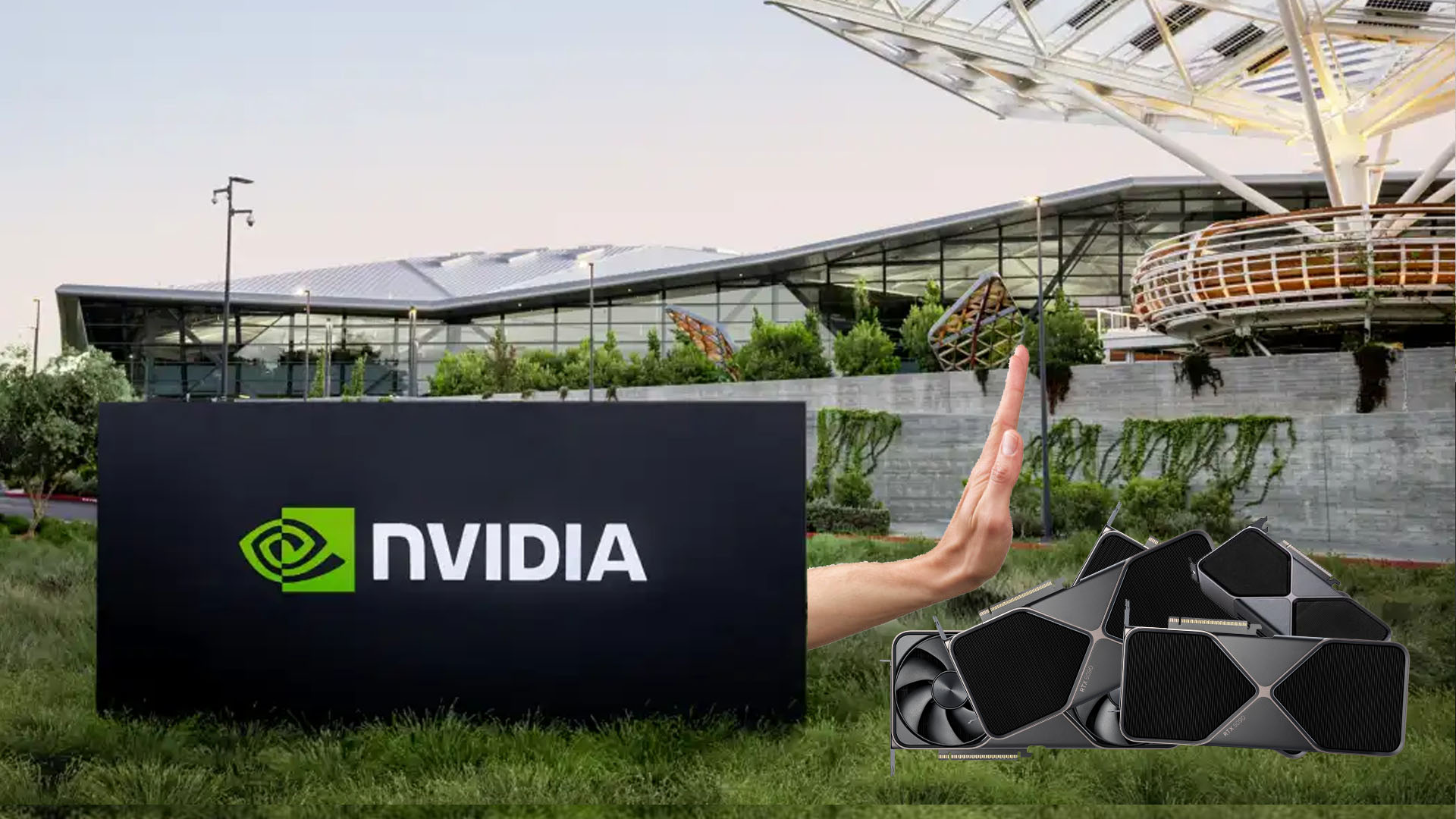
Nvidia folds gaming GPUs into a broader reporting bucket in its latest financial results, making it harder to separate how much of the company’s revenue is coming from GeForce hardware, cloud gaming, and other consumer-facing businesses. Instead of listing gaming on its own, Nvidia now groups those results with workstation, automotive, robotics, and AI-related sales under a new “Edge Computing” division.
A new way to report the business
The change appears in Nvidia’s Financial Results for First Quarter Fiscal 2027 report, where the company says it is moving to a reporting framework that better reflects its current and future growth drivers.
In practice, that means gaming GPUs are no longer broken out as a separate line item. They are now bundled with several other non-data-center categories, including:
- GeForce Now and other game-related revenue
- Workstation GPUs
- AI models
- Automotive chips
- Robotics
Gaming is now part of “Edge Computing”
This is a noticeable shift from Nvidia’s previous quarterly report, which still separated the business into four divisions: Data Center, Gaming and AI, Professional Visualization, and Automotive and Robotics.
Even that structure already made it harder to see how much gaming was contributing on its own, but the new setup goes a step further by folding those results into a much wider category. For readers trying to track the health of Nvidia’s PC gaming side, that means less transparency than before.
What the numbers do show
Nvidia says Edge Computing accounted for less than 10% of total business in the quarter, though that still came to $6.4 billion in revenue. By comparison, the Data Center division brought in $75.2 billion, making it Nvidia’s biggest segment by a wide margin.
The company also said Edge Computing revenue rose 10% from the previous quarter and 29% year over year. But because the category now combines so many different products and markets, it is no longer clear which part of the business did most of the work.
DLSS 4.5 and the push toward DLSS 5
Alongside the reporting changes, Nvidia pointed to recent graphics software updates as part of its quarterly highlights. That includes the release of DLSS 4.5 Dynamic Multi Frame Generation and a preview of DLSS 5.
Nvidia describes DLSS 5 as its most significant graphics breakthrough since ray tracing in 2018. Public reaction to the AI image-generation side of that technology has been mixed, but the longer-term impact will depend on how developers and players respond once it arrives in more games and products.
Why this matters for PC gaming
For players and PC hardware watchers, the main takeaway is simple: Nvidia is treating gaming as a smaller piece of a much broader consumer and edge-computing business. That does not change the products on sale, but it does make it more difficult to track how GeForce and related gaming revenue are performing on their own.
At the same time, Nvidia’s data center business continues to dominate the company’s financial picture, which helps explain why gaming now gets less room in the company’s reporting than it used to.
Source
Source: PCGamesN