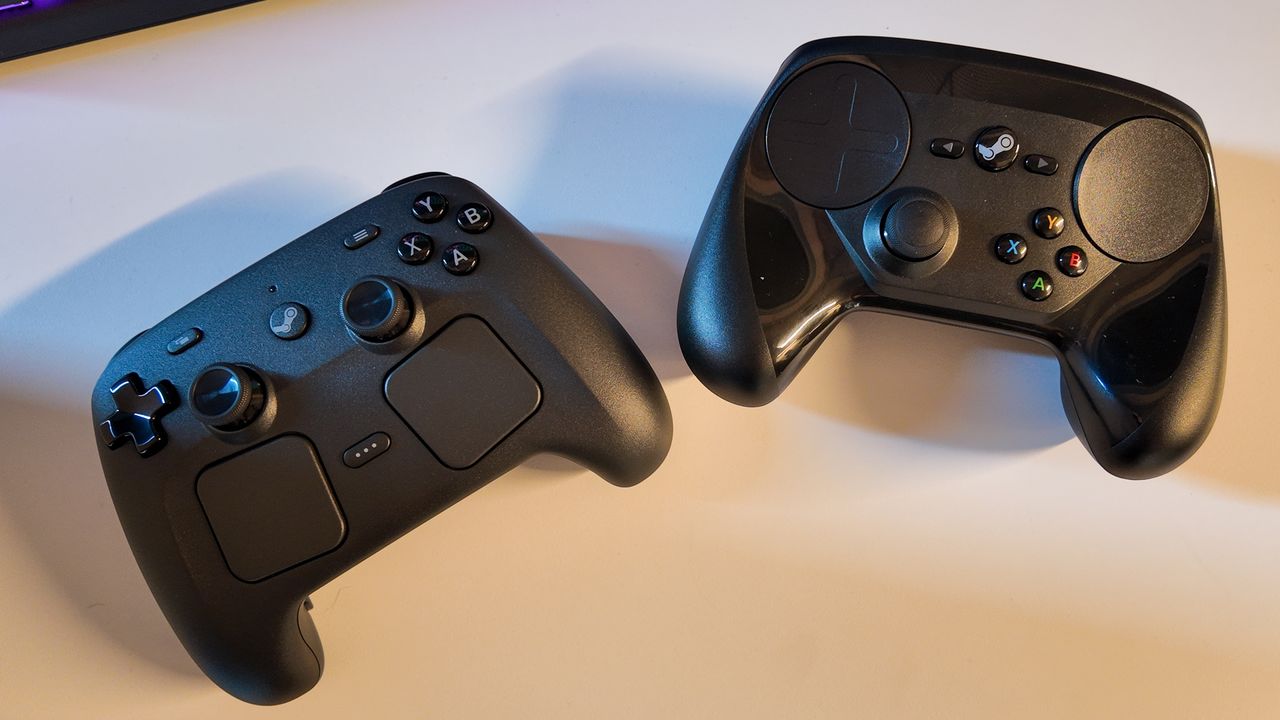
The Steam Controller is getting attention for the right reasons, but the conversation around it is still too narrow. While many comparisons focus on Microsoft and Sony’s pads, the real competition in 2025 comes from third-party controllers that already offer strong features, better customization, and in some cases more competitive pricing. That makes the Steam Controller less of a simple “best versus worst” debate and more of a reminder that the controller market has moved on.
Why the comparison matters
For a long time, the default choice for many players was an Xbox or PlayStation controller. That still shapes how controllers are discussed, especially on storefronts where first-party pads dominate bestseller lists. But that old framing can hide how much progress third-party brands have made.
The practical result is simple: if you are looking at a controller today, the big console-branded options are no longer the only serious choices. In some cases, they are not even the most interesting ones.
What the Steam Controller brings to the table
The Steam Controller stands out because it mixes familiar gamepad features with hardware that is still unusual in this market. The controller includes TMR analogue sticks, extra custom buttons, dual trackpads, dual-stage magnetic triggers, gyro support, and a claimed 35-hour battery life with a charging dock.
Those features help explain why the controller has drawn so much attention. It is not trying to be a standard Xbox or DualSense clone, and that gives it a clearer identity.
- TMR analogue sticks
- Dual trackpads
- Dual-stage magnetic triggers
- Gyro support
- Extra custom buttons
- 35-hour battery life with a charging dock
Third-party controllers are the real pressure point
The bigger point here is that brands like GameSir, EasySMX, Victrix, and 8BitDo have changed expectations. Some of these controllers now offer TMR sticks, extra programmable buttons, Hall effect or magnetic trigger tech, and high polling rates. In other words, they are no longer cheap backup pads for a second player.
That shift matters because it changes what buyers are comparing. If a third-party controller matches or beats the major console pads on features and feel, then the debate is no longer about official versus unofficial. It is about which controller is genuinely better for a given player.
What buyers should consider
The Steam Controller still has a few obvious strengths, especially its trackpads and gyro support. But it is not competing in an empty lane. The EasySMX D10 and GameSir G7 Pro, for example, bring their own strong feature sets, and the GameSir model is described as offering a better feel and stronger build quality at a lower price.
That leaves buyers with a more useful question than “Is it better than an Xbox controller?” The better question is whether the Steam Controller’s unique features are worth choosing over a crowded field of alternatives that already look very capable.
For now, the main takeaway is that the Steam Controller’s competition is not limited to Microsoft and Sony. It is up against a broad and improving third-party market, and that makes the choice more interesting for players willing to look beyond the usual names.
Source
Source: PC Gamer Hardware